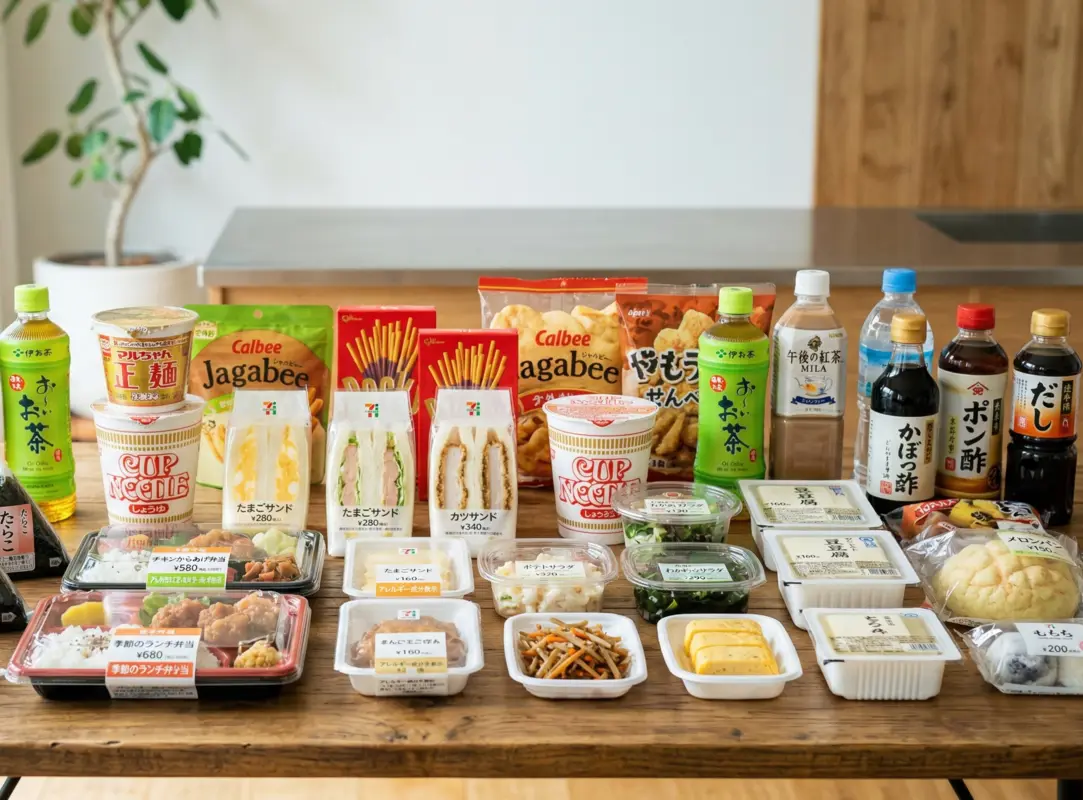
Allergens and food diets in Japan: the complete guide to eating with peace of mind
Traveling to Japan is an exceptional food experience, but it can become more complicated when you need to manage food allergens or follow a specific diet. Between sauces that contain wheat, fish-based broths, egg-based desserts, and prepared foods made with sesame, it is essential to understand local habits before you go.
Whether you are dealing with a food allergy, a gluten-free, vegetarian, vegan, halal, or kosher diet, this guide helps you identify the risks, understand labels, communicate your needs, and choose the right dishes in Japan.
The goal is simple: help you eat safely in Japan, with practical advice, ingredients to watch, and the right habits to adopt before and during your trip.
Why managing allergens and food diets in Japan can be difficult
Japan is often seen as a country where people eat healthily, with lots of fish, rice, vegetables, and simple dishes. Yet for travelers with food restrictions, the reality is more nuanced. Many ingredients are hidden in sauces, marinades, breading, broths, and seasonings.
For example, a dish that seems vegetarian may contain dashi, a traditional broth often made from bonito. Likewise, a rice dish may be served with soy sauce containing wheat, which is a problem for people who are intolerant or allergic to gluten.
The challenge also comes from the fact that some restaurants in Japan offer very little customization. That is why it is better to prepare ahead, know the sensitive ingredients, and learn the right questions to ask.
The main food allergens to know in Japan
Before traveling, it is important to spot the allergens that are most common in Japanese food. Some are obvious, others much less so.
Wheat
Wheat is one of the most problematic ingredients in Japan. You will find it in ramen and udon noodles, in tempura or tonkatsu breading, and also in most standard soy sauces. For anyone following a gluten-free diet, this is a crucial point.
Eggs
Eggs appear in many Japanese dishes, including some that do not seem to contain them at first glance. They are found in tamagoyaki omelets, certain noodles, desserts, mayonnaise, breading, and some prepared foods sold in convenience stores.
Milk and dairy products
Even though traditional Japanese cuisine uses fewer dairy products than some Western cuisines, milk, butter, cream, and cheese are present in many desserts, breads, pastries, modern curries, and fusion dishes.
Peanuts and tree nuts
Peanuts and some tree nuts appear in snacks, sauces, desserts, ice creams, and a few Chinese-inspired or modern dishes. Sesame, which is very common in Japan, can also be a problem for some allergic people.
Fish and seafood
Fish, shellfish, and seafood are everywhere in Japanese food. Even when they are not visible, they may still be present as broth, extract, sauce, or garnish. This is especially important not only for allergic travelers, but also for vegetarians and vegans.
Soy
Soy is everywhere in Japan: soy sauce, tofu, miso, edamame, natto, desserts, snacks, and prepared foods. If you are allergic to soy, you need to be extremely careful.
Very common allergens to watch in Japan
- Wheat: noodles, breading, soy sauce, fried foods
- Eggs: omelets, desserts, mayonnaise, prepared meals
- Milk: pastries, desserts, breads, modern curries
- Soy: tofu, miso, soy sauce, marinades
- Fish: sushi, dashi, sauces, seasonings
- Shellfish: broths, fried foods, garnishes
- Sesame: sauces, seasonings, toppings
- Peanuts and tree nuts: snacks, desserts, sauces
Which food diets are the hardest to follow in Japan?
Not all diets involve the same level of difficulty in Japan. Some are relatively manageable with good preparation. Others require constant vigilance.
Gluten-free diet in Japan
Following a gluten-free diet in Japan can be complicated because wheat is everywhere in sauces, noodles, breading, and prepared foods. Even a rice-based dish may contain regular soy sauce or seasonings made with wheat.
People with celiac disease or very high sensitivity should also be careful about cross-contamination, especially in shared kitchens, fryers, and noodle restaurants.
Vegetarian diet in Japan
Being vegetarian in Japan is possible, but you need to watch for invisible ingredients. Many soups, sauces, and side dishes contain dashi, which is made with fish. So a meat-free dish is not necessarily vegetarian in the strict sense.
Vegan diet in Japan
A vegan diet is even more demanding. In addition to meat and fish, you must watch out for eggs, dairy products, fish broths, some sauces, and even some breads or desserts. Explicitly vegan restaurants do exist, especially in major cities, but they are not yet common everywhere.
Halal diet in Japan
Halal options are becoming more visible in Japan, especially in major cities and tourist areas. However, the offer remains uneven depending on the region. You need to pay attention to the meat used, broths, sauces, and the lack of strict separation in some kitchens.
Kosher diet in Japan
A kosher diet is probably one of the hardest to follow in Japan without planning ahead. Certified options are limited, and the requirements related to ingredients, preparation, and utensils make spontaneous meals more difficult.
Japanese dishes that can be risky when you have allergies or a food diet
Some Japanese dishes are extremely popular, but they can be problematic because of their real composition or hidden ingredients.
Dishes to watch closely
- Ramen: usually contains wheat and often an animal-based broth
- Udon: wheat noodles
- Tempura: fried batter with wheat and sometimes egg
- Tonkatsu: wheat breading, pork meat
- Japanese curry: may contain flour, dairy products, or animal ingredients
- Miso soup: often prepared with fish-based dashi
- Industrial onigiri: variable fillings, sometimes fish, sauces, or hidden allergens
- Takoyaki: wheat, eggs, octopus
- Okonomiyaki: wheat, eggs, sauce, sometimes meat or fish
- Yakitori: depending on the sauces and marinades, wheat or alcohol may be present
Which dishes are easier to choose depending on your diet in Japan?
Even with food restrictions, there are simpler options to spot and secure, especially if you ask about the composition before ordering.
For people allergic to gluten
- Plain white rice
- Simple sashimi without sauce
- Some non-marinated grilled foods
- Fresh fruit
- Simple salads without industrial dressing
For vegetarians
- Rice
- Tofu, if the preparation is confirmed to be fish-free
- Some grilled vegetables
- Shojin ryori, the Buddhist vegan cuisine
- Some vegetarian curries in specialized restaurants
For vegans
- Shojin ryori
- Rice bowls with vegetables confirmed without dashi
- Plain tofu
- Steamed or grilled vegetables without sauce
- Vegan restaurants in major cities
For halal
- Halal-certified restaurants
- Simple fish, if it matches your personal criteria
- Vegetarian meals without alcohol or non-compliant ingredients
- Indian, Turkish, or Middle Eastern restaurants available in some cities
How to read food labels in Japan
Knowing how to read labels is a real advantage, especially in convenience stores, supermarkets, and train stations. Even if you do not read Japanese, you can still spot some useful keywords.
Useful words to recognize
- 小麦: wheat
- 卵: egg
- 乳: milk
- 落花生: peanut
- えび: shrimp
- かに: crab
- そば: buckwheat
- 大豆: soy
- ごま: sesame
When in doubt, never assume that a product is compatible with your diet. Processed ingredients, sauces, and ready-to-eat meals may contain allergens that are easy to miss.
Useful phrases to explain your allergies or diet in Japan
When eating at a restaurant in Japan, it is better to explain your situation clearly. A printed card in Japanese can be extremely useful, especially in the case of a severe allergy.
The easiest option is to show a short sentence to the staff, then use the romaji version if you also need to read it out loud.
Ready-to-show or ready-to-read phrases
My phrase
I am allergic to wheat. I cannot eat regular soy sauce, flour, or noodles containing wheat.
Japanese to show
私は小麦アレルギーがあります。普通のしょうゆ、小麦粉、小麦を含む麺は食べられません。
Romaji to read
Watashi wa komugi arerugii ga arimasu. Futsuu no shoyu, komugiko, komugi o fukumu men wa taberaremasen.
My phrase
I do not eat meat or fish, and I also avoid fish-based broth.
Japanese to show
私は肉と魚を食べません。魚のだしも避けています。
Romaji to read
Watashi wa niku to sakana o tabemasen. Sakana no dashi mo sakete imasu.
My phrase
I am vegan. I do not eat meat, fish, eggs, or dairy products.
Japanese to show
私はヴィーガンです。肉、魚、卵、乳製品は食べません。
Romaji to read
Watashi wa viigan desu. Niku, sakana, tamago, nyuuseihin wa tabemasen.
My phrase
I have a severe food allergy. Please check all ingredients.
Japanese to show
重い食物アレルギーがあります。すべての原材料を確認してください。
Romaji to read
Omoi shokumotsu arerugii ga arimasu. Subete no genzairyo o kakunin shite kudasai.
Practical advice before going to Japan with allergies or a food diet
Good preparation significantly reduces the risks. It is not enough to know a few dishes: you also need alternatives, useful apps, and backup solutions.
- Book accommodation with a kitchen if your diet is strict
- Prepare a Japanese allergy card
- Identify specialized restaurants in advance
- Always keep safe snacks with you
- Check the ingredients of products sold in convenience stores
- Be careful with sauces, broths, and marinades
- In the case of a severe allergy, travel with your usual medication
- Never assume that a “simple” dish is risk-free
Major cities such as Tokyo, Kyoto, or Osaka usually offer more options for travelers with specific dietary needs. In rural or less touristy areas, however, the offer may be more limited.
Conclusion: can you eat well in Japan with allergens or a specific diet?
Yes, it is absolutely possible to eat well in Japan with food allergies or a specific diet, provided that you are well informed and well prepared. The key point is understanding that hidden ingredients are common, especially in broths, sauces, and prepared dishes.
Gluten-free, vegetarian, vegan, halal, or kosher travelers need to prepare more than they might in other destinations, but Japan remains accessible with the right habits. By learning how to spot allergens, read labels, and ask the right questions, you can enjoy Japanese food without compromising your safety or your convictions.
In practice, the stricter your dietary constraint is, the more important it is to prepare your trip in advance. That preparation makes all the difference between a stressful stay and a successful food experience.
FAQ about allergens and food diets in Japan
Here are the quick answers to the questions people most often ask before traveling to Japan with food restrictions.
Is it easy to eat gluten-free in Japan?
No, it is not always easy, because wheat is present in many sauces, noodles, and breaded foods. You need to be especially careful with soy sauce, ramen, udon, and fried dishes.
Can you be vegetarian in Japan?
Yes, but you need to watch out for dashi, which is often used in soups, sauces, and side dishes. A dish without meat is not necessarily vegetarian in Japan.
Is Japan suitable for vegan travelers?
Major Japanese cities offer more and more vegan options, but the offer remains uneven depending on the region. It is recommended to identify good places before departure.
Which allergens are the most common in Japanese cuisine?
The most common allergens are wheat, eggs, milk, soy, fish, shellfish, sesame, and sometimes peanuts.
How can you avoid mistakes at restaurants in Japan?
The best approach is to explain your restrictions clearly, show an allergy card translated into Japanese, and avoid dishes whose composition is not perfectly clear.
Take the next step
Give your next purchase a smarter label check
Create your YumiScan account, add your allergen profile, and let AI decode the label before you buy. Your first 3 scans are free.
Create my account